Uniting Heaven and Earth: Christ in Philippians and Colossians
Lessons
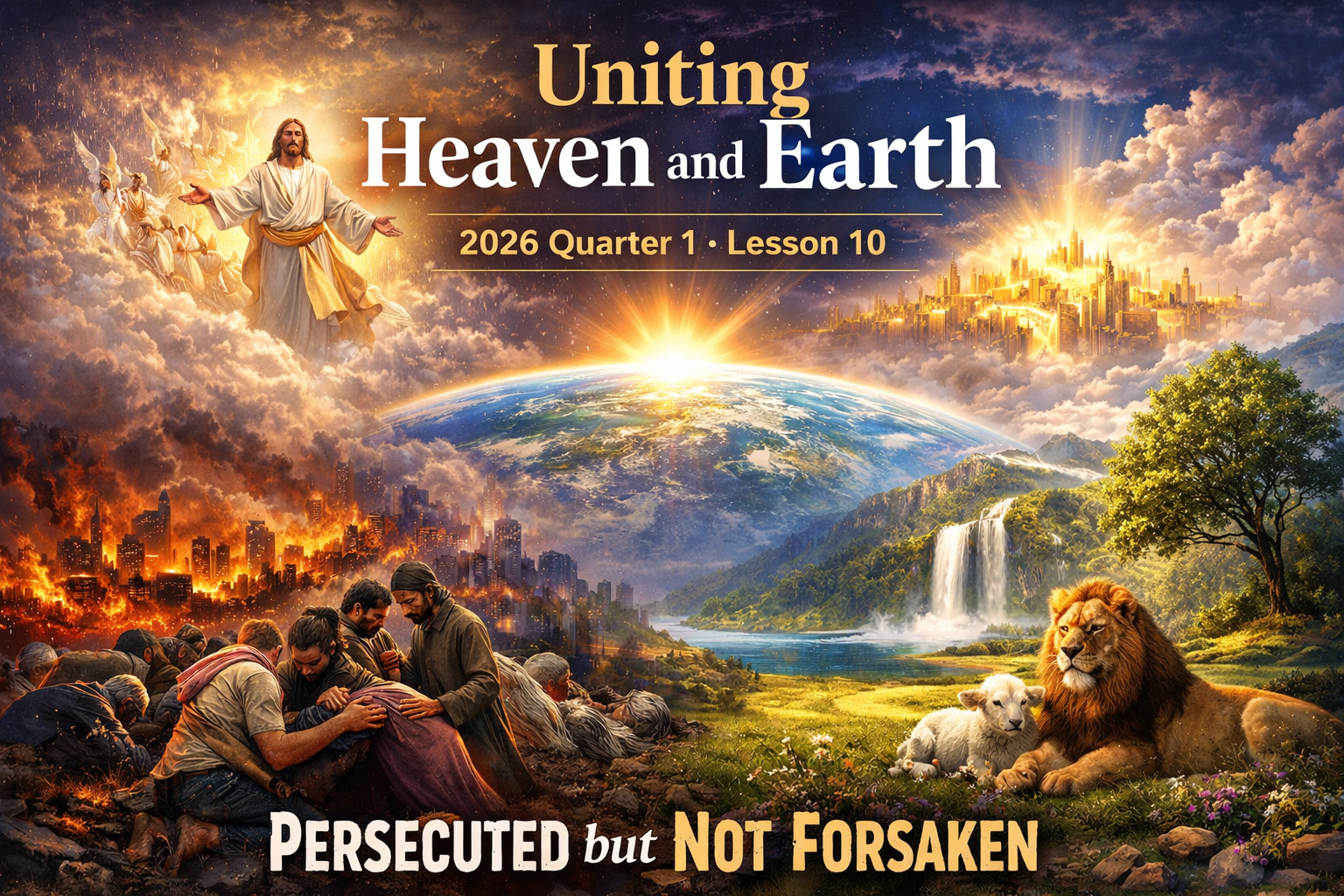
Persecuted but Not Forsaken
The first lesson introduces the background of Paul’s letter to the church in Philippi. Although the apostle Paul was imprisoned and faced persecution for preaching the gospel, his letter is filled with joy, gratitude, and confidence in Christ. His experience demonstrates that faithfulness to God does not always remove hardship, but it does give believers strength, purpose, and hope. Paul encourages believers to see that God can work through difficult circumstances to advance the gospel. Even imprisonment became an opportunity for witness, as the message of Christ reached new people. The lesson emphasizes that suffering for the sake of Christ is not a sign of abandonment by God but can be part of the Christian experience. Ultimately, the message reminds believers that their confidence must remain in Christ. No matter the trials or opposition they face, God’s presence sustains His people and His mission continues to move forward.
Reasons for Thanksgiving and Prayer
Paul begins his letters to the Philippians and Colossians with gratitude and prayer. Even while facing imprisonment and hardship, he thanks God for the faith, love, and partnership of the believers. His prayers focus not on material blessings but on spiritual growth—asking that believers increase in love, knowledge, and discernment. The lesson emphasizes that genuine Christian gratitude flows from understanding God’s grace. Prayer becomes a powerful tool for spiritual transformation when it centers on knowing God’s will and living lives that reflect His character. As believers grow in faith and understanding, their lives begin to bear fruit that honors Christ.
Life and Death
In Philippians 1, Paul reflects on the tension between life and death. While he longs to be with Christ, he recognizes that continuing to live allows him to serve others and advance the gospel. His perspective reveals a deep commitment to Christ’s mission and a willingness to place the needs of the church above his own desires. The lesson highlights that a life devoted to Christ gives meaning to both living and dying. For believers, life becomes an opportunity for service and witness, while death holds the promise of eternal fellowship with Christ. This perspective reshapes how Christians view suffering, sacrifice, and purpose.
Unity Through Humility
Paul calls believers to unity by pointing them to the example of Christ. In Philippians 2, he describes how Jesus, though divine, humbled Himself and became a servant, even to the point of death on the cross. This ultimate act of humility reveals the character of God and the foundation of Christian unity. The lesson teaches that pride and self-interest destroy harmony within the church, while humility and self-sacrifice create genuine unity. When believers adopt the attitude of Christ, they learn to value others above themselves and work together for the advancement of God’s kingdom.
Shining as Lights in the Night
Paul encourages believers to live blameless and faithful lives in a world filled with moral darkness. In Philippians 2, Christians are described as “lights” who shine in the world by holding firmly to the word of life. The lesson reminds believers that their character and actions serve as a witness to others. By living with integrity, faith, and obedience, Christians reflect the light of Christ in their communities. Even in a world marked by confusion and corruption, faithful believers can illuminate the path to God.
Confidence Only in Christ
Paul warns against placing confidence in human achievements, religious status, or personal righteousness. In Philippians 3, he lists his own accomplishments but declares them worthless compared to knowing Christ. The lesson emphasizes that salvation is not earned through works or heritage but received through faith in Christ. True righteousness comes from God, not from human effort. As believers grow in their relationship with Christ, they learn to rely completely on His grace and power.
A Heavenly Citizenship
Paul reminds believers that their true citizenship is in heaven. While living on earth, Christians represent the values and principles of God’s kingdom. The lesson encourages believers to live with an eternal perspective. Instead of being consumed by earthly concerns, they are called to focus on the hope of Christ’s return and the promise of transformation. This heavenly identity shapes how Christians live, think, and relate to the world around them.
The Preeminence of Christ
Colossians presents one of the Bible’s most powerful descriptions of Christ’s identity. Paul declares that Christ is the image of the invisible God, the Creator of all things, and the One in whom everything holds together. The lesson highlights the supremacy of Christ over creation, the church, and salvation. By recognizing Christ’s preeminence, believers gain a deeper understanding of His divine authority and the central role He plays in God’s plan to unite heaven and earth.
Reconciliation and Hope
Through Christ’s sacrifice, humanity can be reconciled to God. Paul explains that Christ’s death brings peace and restores the broken relationship between God and humanity. The lesson emphasizes the hope that comes from this reconciliation. Believers are invited to remain steadfast in faith and continue growing in their understanding of the gospel. Through Christ, God’s plan of redemption offers forgiveness, restoration, and the promise of eternal life.
Complete in Christ
This lesson explores the theme of God’s presence and protection during times of persecution and hardship. It highlights how, even in the midst of suffering, God remains faithful, guiding and sustaining His people. Students are encouraged to trust in God’s promises, remain steadfast in faith, and see the ultimate hope of victory and reconciliation as God unites heaven and earth. Key biblical examples illustrate courage, perseverance, and reliance on divine strength despite trials.
Living With Christ
Because believers are united with Christ, their lives should reflect a new way of living. Paul encourages Christians to put aside sinful behaviors and adopt virtues such as compassion, kindness, humility, and love. The lesson highlights the transformation that occurs when believers allow Christ to shape their character. Living with Christ means allowing His presence to guide thoughts, attitudes, and actions in every area of life.